
Website redesign in Montreal, without starting over in Google
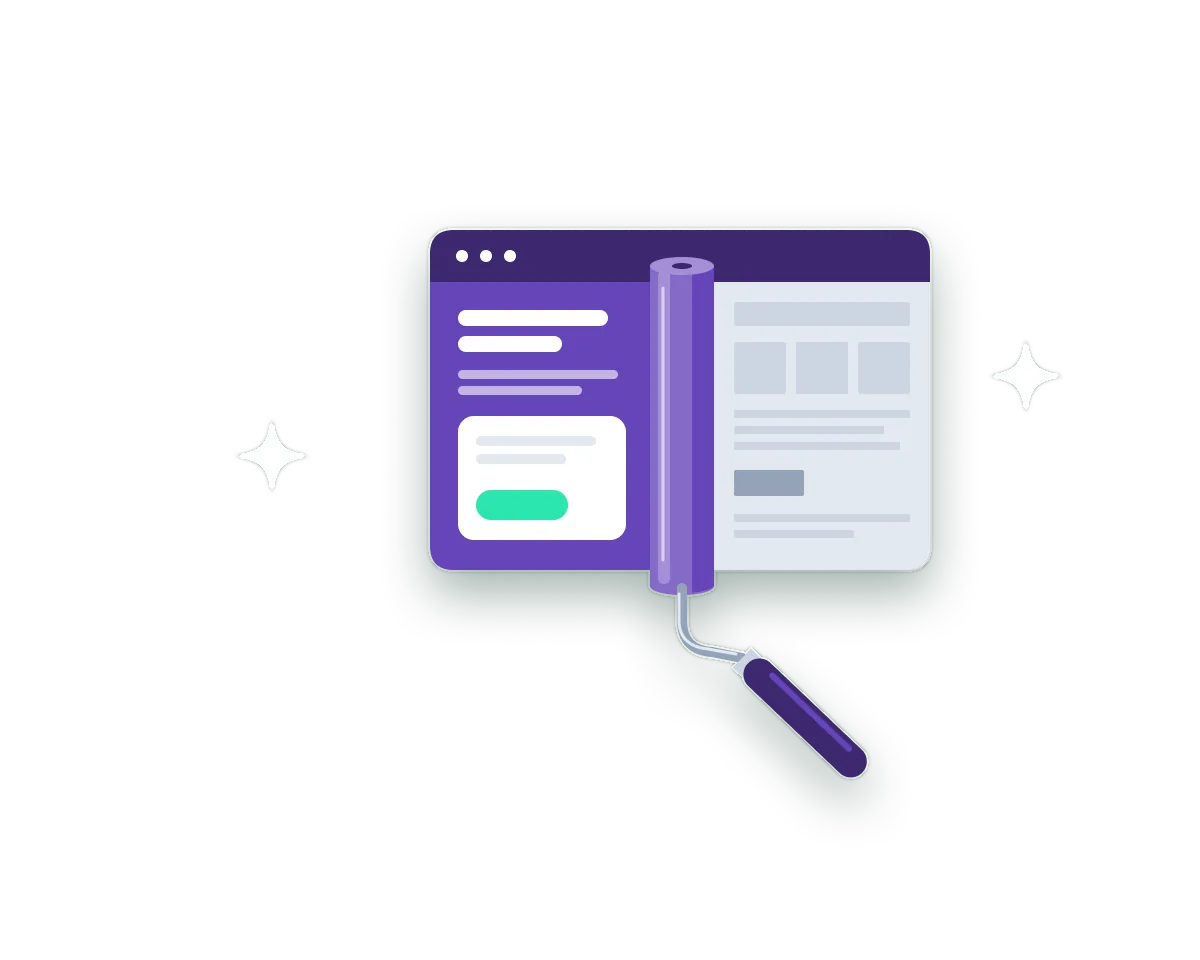
A faster site that you edit yourself, and that keeps the pages already bringing in traffic. Existing URLs are kept as much as possible, and the ones that change lead to their new page.
Your current site has had its day
The problem
It is slow, hard to update, its design has aged or it no longer reflects what you offer. A website redesign solves that. But a site Google already knows has to be rebuilt carefully: a page deleted or moved without a redirect becomes a 404 error, for Google as well as for your visitors.
Our approach
We rework the site for a real change, without losing the traffic you have built. Existing URLs are kept as much as possible, and the ones that change are redirected to their new page. A slight dip in Google is normal in the first few weeks, while it crawls the new site, then the traffic comes back. Faster and better structured, the new site then has a better chance of gaining positions.
What the redesign changes for you
What works in the current site is kept. The rest is reworked so the new site is faster, simpler to manage and usable by everyone.
A faster site
Leaner code, images in the right format, fonts and scripts reduced to what is needed: the new site is built to load quickly, and it is delivered faster than the old one.
You manage your site
Text, images and pages are edited from the admin interface, without emailing us. Each section has its planned variations: you change the content without risking breaking the design.
Accessibility
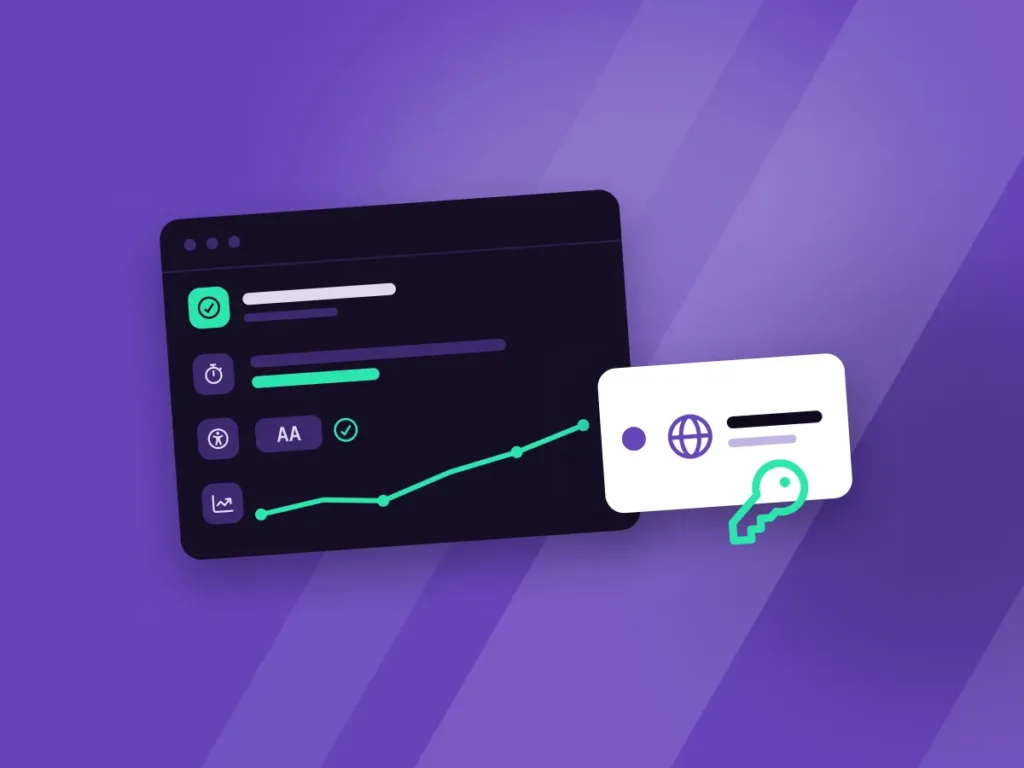
Everyone should be able to use your site, including people with disabilities. We aim for WCAG 2.2 level AA: contrast, keyboard navigation, alternative text, screen readers.
What works is kept
The pages that bring in traffic or inquiries keep their URL whenever possible. Their content is carried over and improved, never rewritten at random.
Independence
Domain name, hosting and administrator access are in your name. You remain free to change providers at any time: we would rather keep you through the quality of our work than through constraints.
One point of contact
The person who replies to you is the one who builds your new site. You never explain anything twice and no project manager relays your request: you save time on every exchange.
Your search rankings, from analysis to launch
Before rebuilding the site, we look at what it has already earned in Google. After launch, we check that everything carried over.
Analysis of the current site
A crawler goes through every page of the current site, the way Google does, and its Search Console data shows the pages that matter. This analysis guides the redesign: each page is kept, improved, merged or removed, and you approve those choices.
Redirect plan
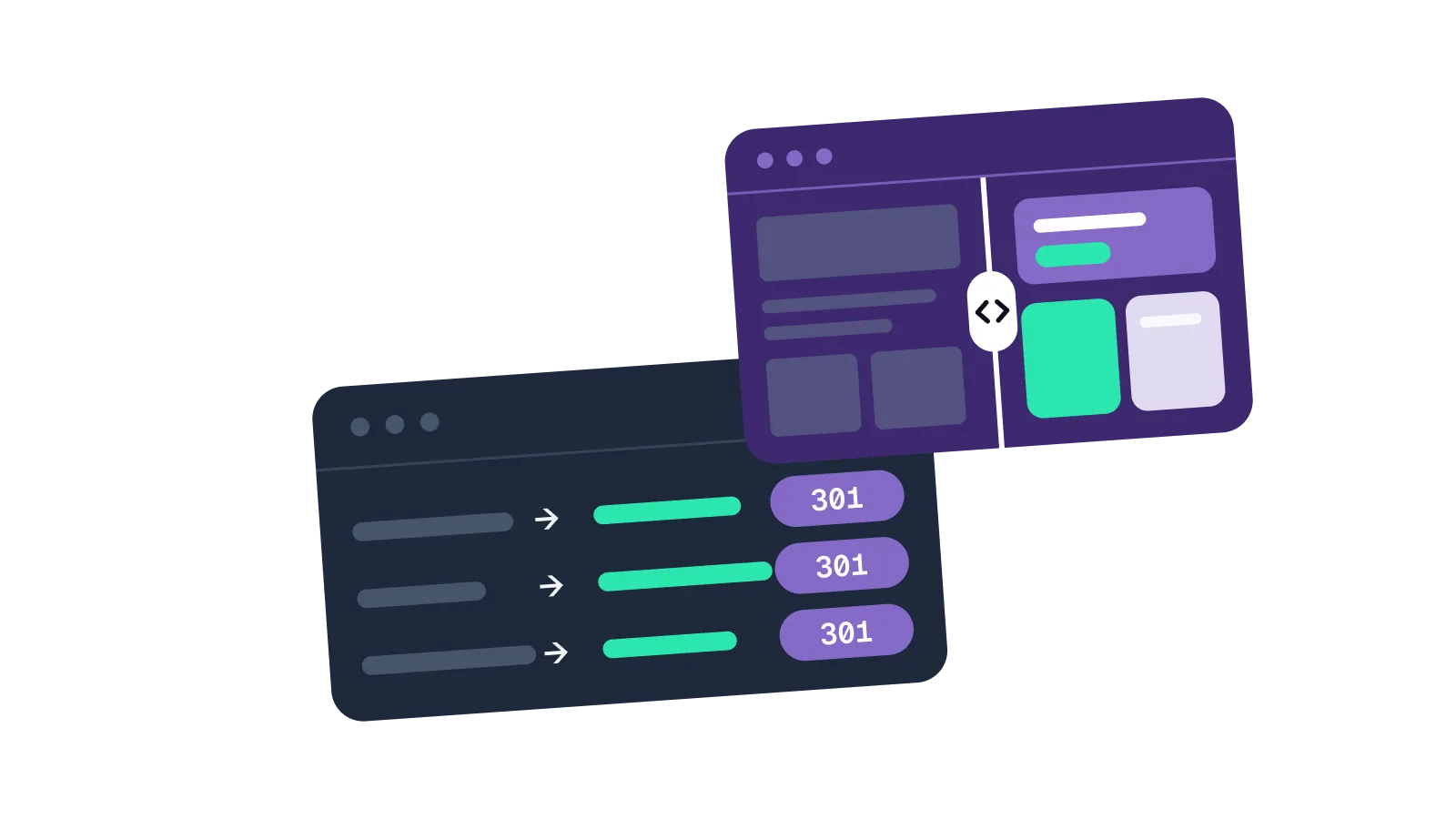
Every URL that changes gets its new destination, once the new site is built. Redirects are tested on staging, then checked after launch. A permanent redirect (301) tells Google where the page now lives.
Improved SEO
Titles, metadata, structured data and content are carried over, then improved: a redesign is a chance to do better. What already works very well is kept as is.
Launch and follow-up
At launch, we submit the new sitemap to Google and request indexing of the main pages in Search Console. A new full crawl then checks that every page responds and that every redirect leads to the right place.

Keep your platform, or change it
Most redesigns stay on the same platform. A WordPress site stays on WordPress, with a theme built for it in place of the purchased theme or the page builder that weighs it down.
Changing platforms makes sense when your business has changed: a growing store moves to Shopify, a marketing team that works in HubSpot brings its site there. A site built on Wix, Squarespace or Webflow can also be rebuilt on WordPress. The content and URLs are carried over with the same method.
Successful redesigns

Peripharm
Bilingual redesign, audit before launch, speed optimization and SEO in both languages.
- WordPress
Very efficient and quick at building a website. I highly recommend.
The steps of a redesign
The current site is analyzed before it is rebuilt, and every URL that changes is redirected before launch.
-
Analysis and inventory
A full crawl of the current site, Search Console data and the role of each page: what is kept, improved or removed.
-
Design and build
Design approved with you, then the new site built on staging, with the content carried over and improved.
-
Redirect plan
Every URL that changes gets its new destination, and every redirect is tested on staging.
-
Launch and follow-up
Switchover, indexing request in Search Console, a new crawl of the site and a check of the redirects.
Questions about a website redesign
A slight dip is normal in the first few weeks: Google has to crawl the new site and understand what has changed. It recovers when the important URLs are kept or redirected, and when the pages are improved rather than rewritten at random. We cannot guarantee a position in Google, but everything is done so that you gain positions in the weeks that follow rather than lose them.
Yes. We recommend a theme built for your site instead, with editable sections: it is lighter and faster, needs fewer updates, and you don’t risk breaking the layout. But if your team already works with Elementor, Bricks or Divi, or if it is a constraint, we build the new site with that builder, the right way: global styles and templates, few added plugins and pages optimized for speed.
It is estimated in hours, at $125 an hour, then sold at a fixed price in a detailed quote. The price depends on the number of pages and templates, the languages and the content to carry over. If you are unsure about rebuilding everything, a website audit first checks whether a redesign is necessary.
Yes: the new site is delivered faster than the old one, because speed is decided in the code, the images and the scripts from the start of the build. If the current site is mostly slow and the rest is fine, speed optimization may be enough, without rebuilding everything.
At launch, we ask Google to index the new site in Search Console, crawl all its pages and check every redirect. Google then takes a few weeks to crawl the new site: a slight dip may appear, then the traffic comes back.